
Blogs
Choosing Your First Treadmill

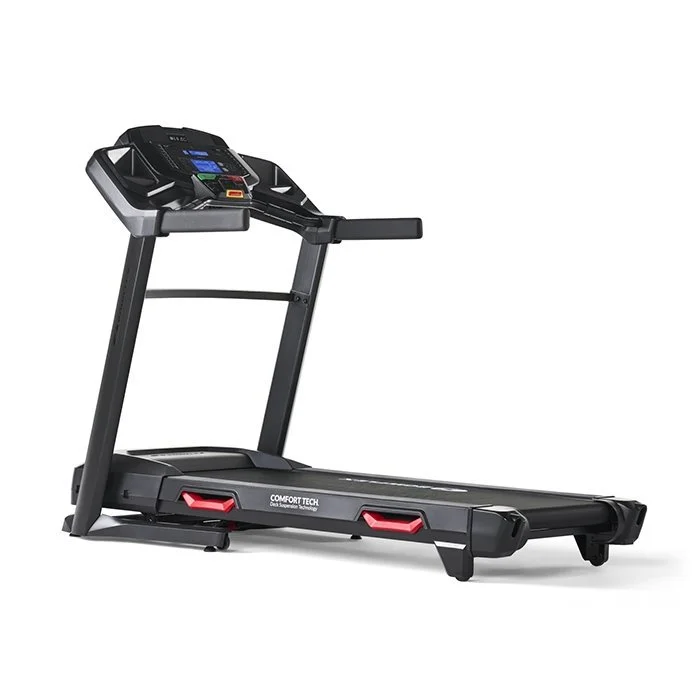
Choosing Your First Treadmill: A Beginners Guide to Smart Buys & Safe Starts
Welcome to the World of Treadmills: Why it’s a Smart Move for Beginners
Stepping into home fitness by purchasing your first treadmill is an exciting commitment to your health. A treadmill offers a controlled, weather-proof environment, allowing you to build a consistent fitness routine on your own terms. For beginners, it provides the perfect platform to manage pace, intensity, and workouts, making it one of the most effective tools for starting a sustainable training journey.
What This Guide Will Cover: Smart Buys & Safe Starts for Your First Treadmill
This guide is designed to eliminate the guesswork. We’ll walk you through two critical phases: making a “smart buy” by choosing a machine that fits your goals and budget, and ensuring a “safe start” with practical advice for your first steps and workouts. Our goal is to empower you with the confidence to purchase the right treadmill and begin your fitness journey safely and effectively.
Part 1: The Smart Buy – Choosing Your Ideal First Treadmill
Defining Your Fitness Goals & Needs
Before looking at models, define your purpose. Are you aiming for daily walks, light jogging, or future running? Your primary goal dictates the machine’s required durability and features. A walker needs a different motor and deck than an aspiring runner. Clarifying your fitness intentions is the first step to a smart purchase.
Key Features to Prioritize for Beginners

Focus on these three core features—motor power, deck size, and cushioning—to ensure your first treadmill is safe, comfortable, and durable.
Focus on the fundamentals, not the frills. A motor with at least 2.0 continuous horsepower (CHP) is sufficient for walking and light jogging. Ensure the running deck is at least 18 inches wide and 48 inches long to accommodate your stride comfortably. Good deck cushioning is non-negotiable, as it absorbs impact and helps prevent injury to your joints.
Budgeting Wisely for Your First Treadmill
A quality treadmill is an investment in your health. While entry-level models can be tempting, they often lack the durability for consistent use. Aim for a mid-range machine that balances essential features with build quality. Consider it a long-term purchase that will support your fitness progression for years to come.
Understanding Different Types of Treadmills for Home Use
Home treadmills generally fall into two categories: folding and non-folding. Folding models are ideal for smaller spaces but may offer slightly less stability than their non-folding counterparts. Manual (non-motorized) treadmills are another option, but their self-propelled nature can be challenging for beginners.
Durability, Stability, and Build Quality
A stable frame is crucial for safety. When evaluating a treadmill, check its user weight capacity; a higher capacity often indicates a more robust build. The machine should not wobble or shake during use. Durability in the frame, motor, and belt ensures your treadmill can handle your training as your strength and fitness improve.
Navigating “Smart” Features & Connectivity
Modern treadmills often come with touchscreens and subscription-based training programs. While engaging, these aren’t essential for beginners. Prioritize a clear, easy-to-read console that displays core metrics: speed, distance, time, and incline. A machine with basic heart rate monitoring can also be a useful tool.
Where to Buy: Online vs. In-Store Considerations
Buying in-store allows you to test the machine’s feel and stability. Online retailers often offer a wider selection and competitive pricing. If buying online, rely on reputable reviews, check warranty details, and understand the return policy before committing.
Part 2: Your Safe Start – Setting Up & Taking Those First Steps
Initial Setup & Familiarization
Once assembled, take time to learn your treadmill’s controls. Locate the start/stop buttons, speed and incline adjustments, and most importantly, the safety key. Before starting any workouts, stand on the side rails, attach the safety clip to your clothing, and start the belt at a very low speed to get a feel for its motion.
The Crucial Warm-Up Routine
Never skip your warm up. A proper 5-minute warm-up increases blood flow to your muscles and prepares your body for exercise, reducing the risk of injury. Start with a slow walk on the treadmill, gradually increasing your pace. This prepares your cardiovascular system for the main workout.
Your Very First Treadmill Workouts (Beginner-Friendly)
For your initial treadmill workouts, focus on consistency over intensity. A simple 20-minute session is perfect: a 5-minute warm up walk, 10 minutes of brisk walking or light jogging at a steady pace, and a 5-minute cool down. As you build confidence, you can introduce interval training by alternating between a faster and slower pace.
Mastering Speed and Incline Safely
Adjust speed in small increments. When using the incline feature, start low (1-2%) for short intervals. The incline is a powerful tool for building strength and increasing workout intensity without raising your speed. Always reduce your speed before making significant changes to the incline.
The Essential Cool-Down & Recovery
A cool down is just as important as the warm up. After your workout, spend 5 minutes walking at a slow pace to allow your heart rate to return to normal gradually. This helps prevent dizziness and aids in muscle recovery. Follow your cool down with gentle stretching for your legs and lower back.
Part 3: Maintaining Progress & Staying Injury-Free
Listening to Your Body: Preventing Common Beginner Injuries
The most common mistake for beginners is doing too much, too soon. Pay attention to your body. Muscle soreness is normal, but sharp pain is a signal to stop. Proper footwear is also essential to prevent injury.
Tracking Your Progress & Staying Motivated
Note the duration, speed, and distance of your workouts. Seeing your numbers improve over time is a powerful motivator. Setting small, achievable goals—like adding one minute to your workout each week—can help maintain momentum.
Basic Treadmill Maintenance for Longevity and Safety
Protect your investment with simple maintenance. Wipe down the machine after each use, check that the belt is centered, and follow the manufacturer’s instructions for periodic belt lubrication. Regular care ensures your treadmill operates safely and lasts longer.
Conclusion: Your Confident Start to a Healthier You
Recap: Smart Buys and Safe Starts for Your Treadmill Journey
By prioritizing core features like motor strength and a stable frame, you make a smart buy that serves your fitness goals. By embracing a gradual approach with a proper warm up and cool down, you ensure a safe start that builds a strong foundation.
The Long-Term Benefits of Consistent Treadmill Use for Your Fitness
Consistent treadmill training improves cardiovascular health, builds lower body strength, and aids in weight management. The control it offers over your workouts makes it an invaluable tool for long-term fitness success.
Encouragement for Your Continued Progress and Enjoyment
Your first treadmill is more than a machine; it’s a gateway to a healthier lifestyle. Be patient with your body, celebrate your progress, and enjoy the journey. Every step you take is a step toward a stronger, healthier you.